
Missouri activated its State Emergency Operations Center on Tuesday to coordinate the response to a planned Army detonation in southeast Iowa. The Army scheduled the operation for about 9 a.m. Central on Wednesday, Nov. 25, in Middletown. It says the lead azide stored there has degraded and that the operation is intended to reduce the risk of an uncontrolled explosion.
Missouri officials expect little impact in the state. An Army forecast released Tuesday showed that winds could carry lead-containing dust toward northeast Missouri. Where the dust goes and how much reaches the state depend on the weather. The forecast estimates exposure before the event. Sampling afterward will give officials measurements to work from.
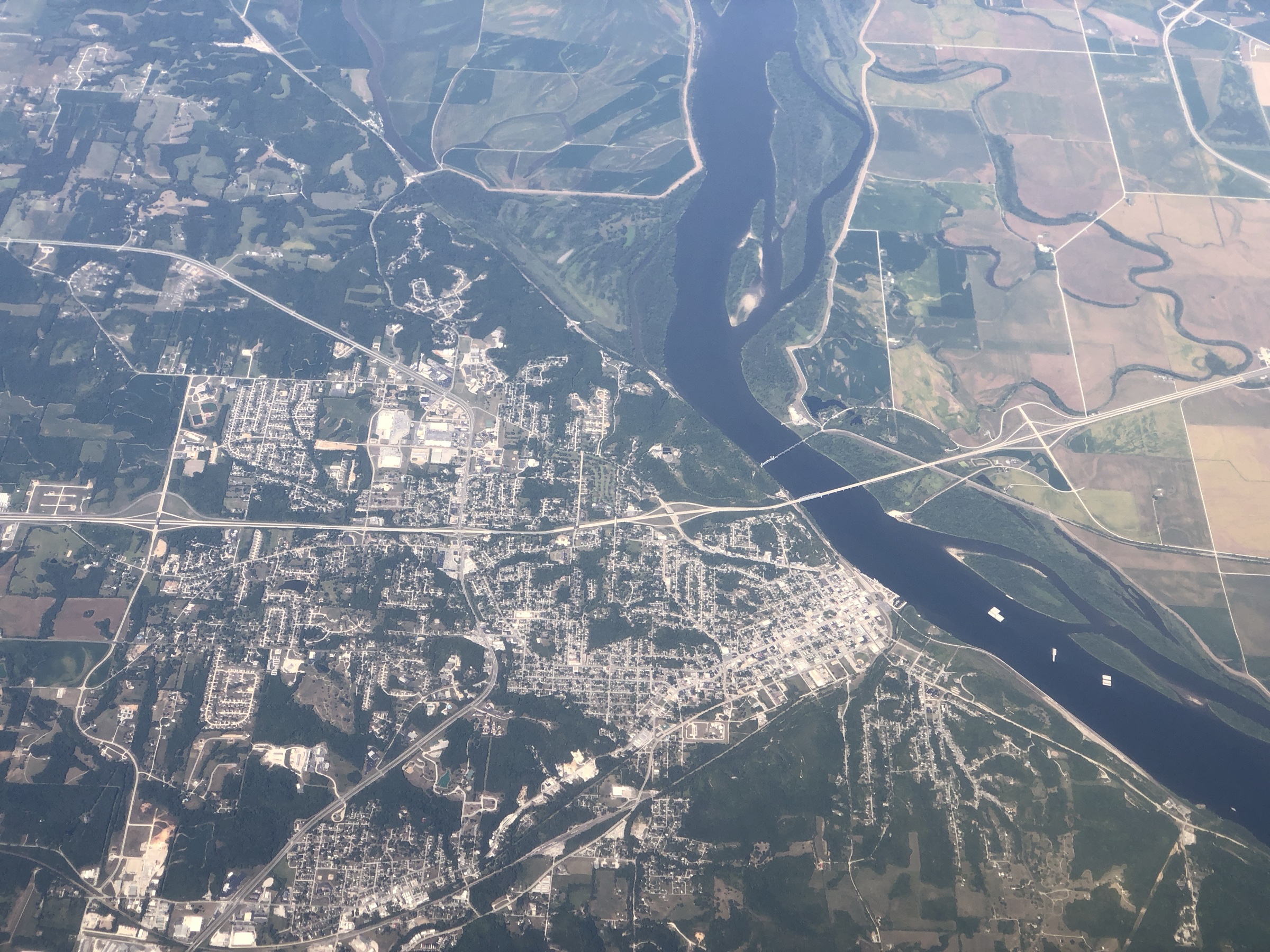
The Missouri Department of Natural Resources says it is working with public water systems to monitor surface-water sources. It identified 10 Missouri systems with 13 intakes within 100 miles of the site. A list the department supplied to ABC 17 News includes Hannibal. The city utility’s annual water quality report identifies the Mississippi River as Hannibal’s source, so the monitoring there concerns a river that supplies households. The state says enhanced monitoring can help utilities decide whether to adjust treatment.
For people in potentially affected communities downwind, the Missouri Department of Health and Senior Services advises staying indoors, closing windows and shutting fresh-air intakes for 24 to 48 hours after the detonation. The department expects low risk in Missouri and links residents to the Army’s updated projections to see which areas may be affected.
Emergency center announcement · Army schedule · Missouri monitoring plan · Water systems identified by Missouri DNR · Hannibal water quality report · Missouri health guidance
Cover Original photograph, Famartin, CC BY-SA 4.0. Resized and cropped for display.
